The Neuroscience of Storytelling: Unlocking Kids' Learning
Discover how storytelling enriches children's learning through neuroscience, engaging emotions, and boosting empathy.
 Brandon Reed
4 min read
Why Stories Matter More Than Ever
Gather 'round, dear reader, as we embark on a journey through the enchanting world of neuroscience and storytelling. Picture this: a child, eyes wide with wonder, hanging onto every word of a tale that seems to leap off the page. Why do stories captivate young minds so effectively? The answer lies in the intricate dance of our neurons.
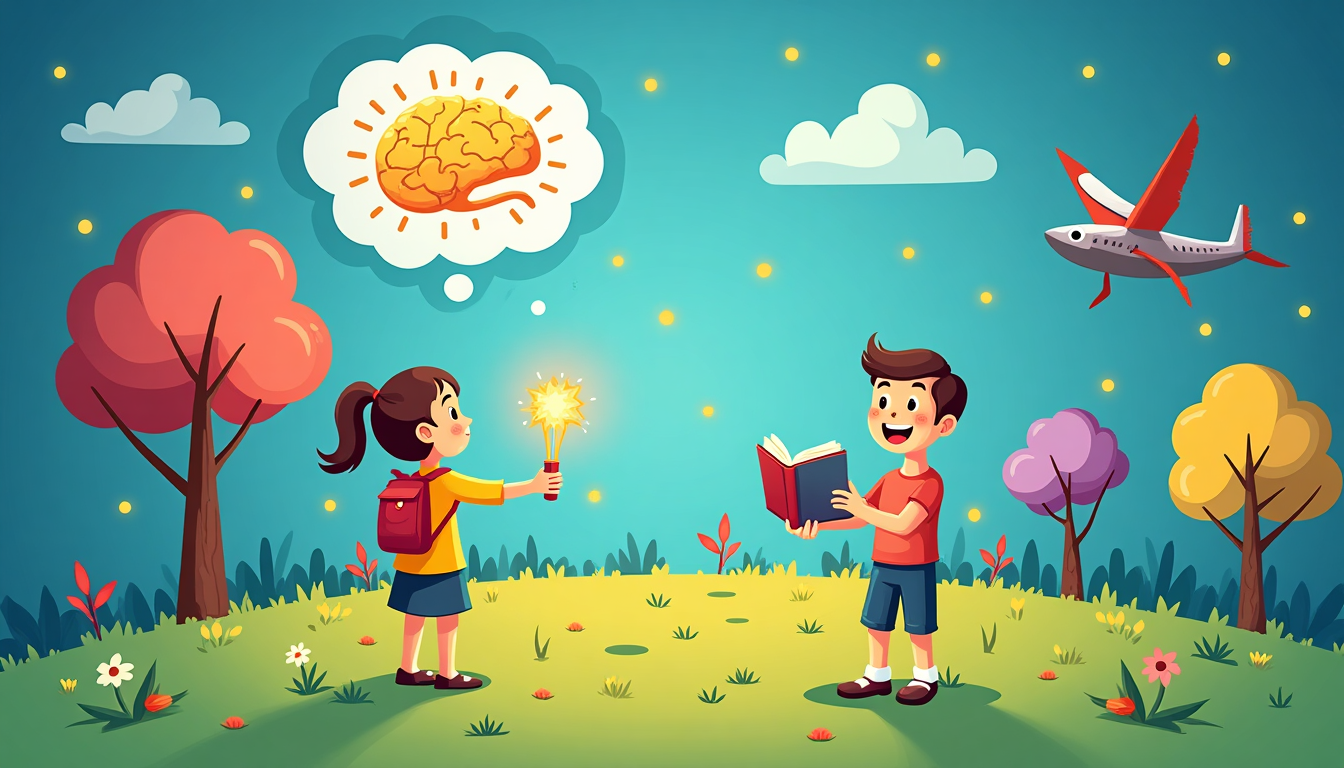
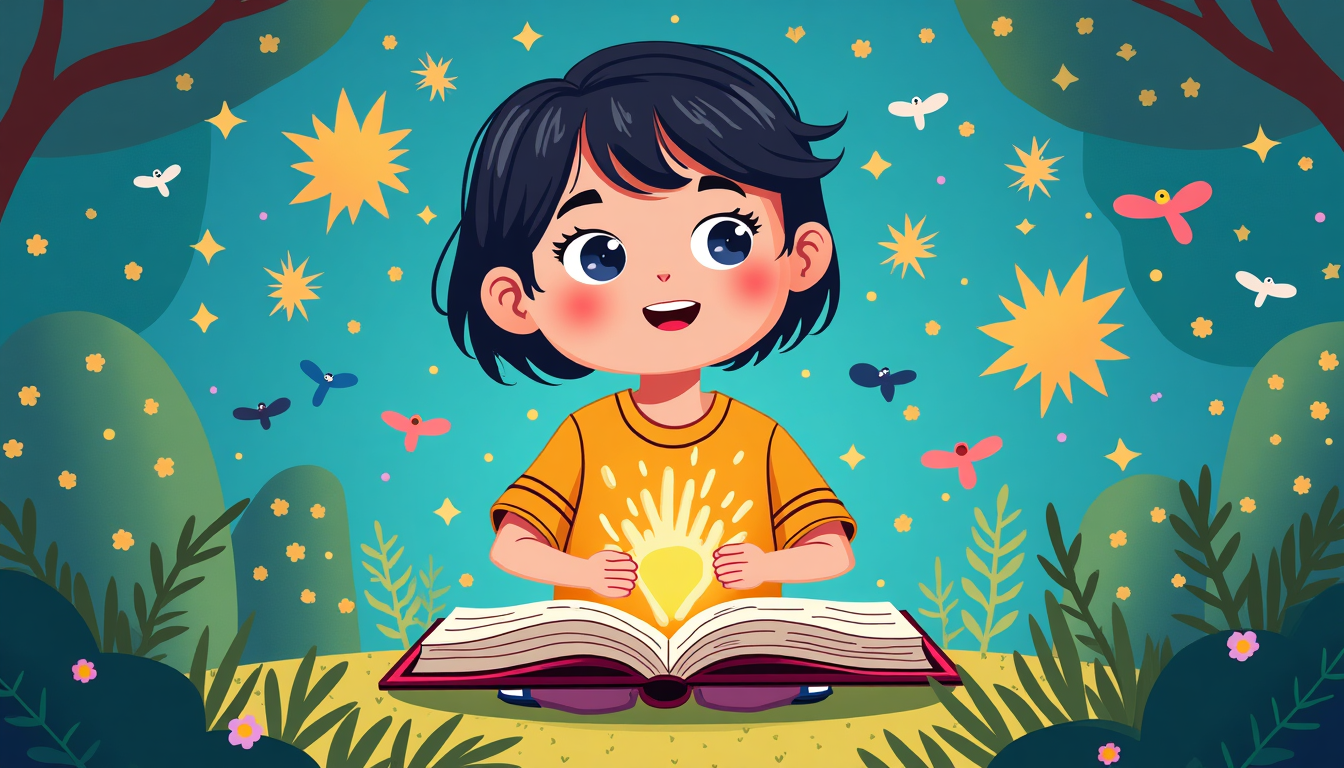
Stories have a unique way of lighting up our brains like a colorful fireworks display. They engage multiple areas of the brain, including those responsible for language, sensory processing, and emotional responses. When kids hear a story, their brains are not just passively absorbing information; they're actively participating in an imaginative adventure.
The Science Behind The Magic
You might wonder, what exactly happens in those little noggins when they're wrapped up in a story? Well, the brain releases oxytocin, the "feel-good" hormone, when we connect emotionally with a narrative. This chemical cocktail fosters empathy and understanding, making it easier for kids to absorb lessons woven into the storyline.
Moreover, stories activate the brain's mirror neurons, which help children relate to characters and situations. This means that when little Timmy hears about a brave knight facing a dragon, his brain responds as if he's the one wielding the sword. It's not magic, just marvelous neuroscience!
Tales As Tools For Learning
Now, let's explore how stories can transform education. Traditional learning methods often focus on rote memorization, but storytelling offers something far richer. It turns abstract concepts into tangible, relatable experiences. That's why kids often remember fables and fairy tales long after they've forgotten the details of a textbook chapter.
Stories also enhance critical thinking skills. When young listeners follow a plot, they learn to predict outcomes and identify themes. These skills are crucial for problem-solving and decision-making in real life. So, whether they're learning about history, science, or math, stories provide a narrative framework that grounds their understanding.
Building Emotional Intelligence
Beyond academics, storytelling plays a vital role in developing emotional intelligence. As children journey through stories, they encounter diverse characters facing various challenges. This exposure broadens their perspective, teaching them empathy and compassion.
Imagine a story where a young explorer befriends a misunderstood monster. Through their adventures, the child learns about acceptance and kindness. Such narratives help kids navigate their own emotions and interactions, fostering a sense of empathy that extends beyond the storybook.
Personalized Tales For Personal Growth
Now, let's take a detour into the realm of personalized storytelling. At WonderMachine, we believe every child deserves to be the hero of their own adventure. By crafting stories that reflect their experiences, we empower them to see the world through a lens of creativity and confidence.
Personalized stories are more than entertaining; they're transformative. When kids recognize themselves in the narrative, they feel valued and understood. It's like having a magical mirror that reflects their uniqueness, boosting their self-esteem and inspiring them to face life's challenges with courage.
Your Role In The Storytelling Journey
As we draw our tale to a close, remember that you hold the key to unlocking your child's imagination. By engaging with them through stories, you create a shared experience that strengthens your bond. Whether you're the cotton-candy koala or the seasick co-captain, your presence in their adventures is invaluable.
So, what do you say, captain? Ready to set sail on a storytelling voyage that will ignite your child's imagination and nurture their growth? Join us at WonderMachine and let the stories unfold!
Final Thoughts: The Power Of Stories
In the end, stories are not just words on a page; they're the threads that weave the fabric of our understanding. They teach, inspire, and connect us in ways that transcend time and space. By embracing the power of storytelling, we can help children navigate their world with curiosity, empathy, and joy.
So, dear reader, as you close this chapter, carry with you the knowledge that stories hold the key to unlocking the potential within every child. Together, let's embark on this journey of imagination and discovery. After all, every great adventure begins with "Once upon a time..."